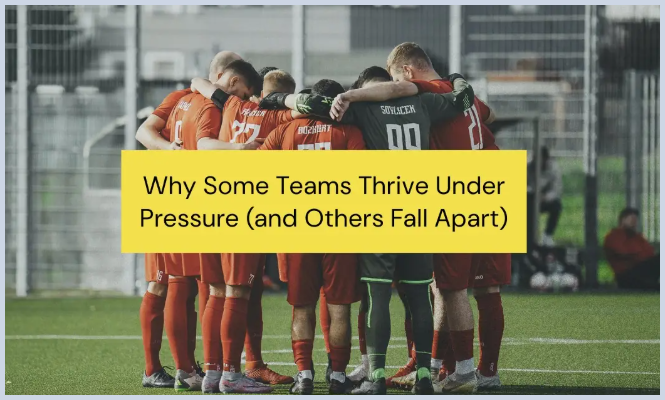
Todays Betting Tips: Why Some Teams Perform Better Under Pressure
Football has always been a game of moments. Ninety minutes can completely reshape seasons, careers, and even club history. We’ve all seen it happen: one team enters a huge match looking calm, confident, and dangerous, while another suddenly forgets how to play simple football. Pressure changes everything.
That is exactly why todays betting tips should involve more than checking league standings or recent form. Understanding how teams react under pressure can reveal patterns many bettors overlook. Some teams become stronger when the stakes rise. Others collapse at the worst possible moment.
But why does this happen?
Let’s dive into the fascinating reasons some football clubs seem almost built for pressure situations.
Pressure Creates Two Types of Teams
Pressure in football is unavoidable. It arrives during title races, cup finals, relegation battles, derby matches, and knockout competitions.
Interestingly, teams usually react in one of two ways:
Some become sharper, more focused, and more dangerous. Others become nervous and make costly mistakes.
The difference often starts in the mind long before kickoff.
Football is highly psychological. Confidence, trust, and emotional control matter just as much as tactics. When players believe they can handle pressure, they often perform naturally. Teams that fear failure tend to become cautious and uncomfortable.
This is why experienced football analysts often study mentality before making predictions.
Winning Habits Become Muscle Memory
One major reason successful teams thrive under pressure is repetition.
Winning consistently creates habits.
Teams that frequently compete in high-stakes matches become familiar with intense environments. Big stadiums, loud crowds, and enormous expectations stop feeling overwhelming because they have experienced it repeatedly.
Think about clubs that regularly fight for league titles or reach knockout rounds. Their players begin treating pressure situations as normal working conditions.
Eventually, reacting calmly becomes second nature. That experience can make an enormous difference when games become tense.
A team entering its first major final may play with excitement and nerves. A club that has reached multiple finals often behaves like it belongs there.
In football, familiarity reduces fear.
Leaders Change Everything
Every successful team under pressure usually has strong personalities. Football leaders are often underestimated.
Leadership goes beyond captains shouting instructions. Great leaders calm teammates, maintain focus, and prevent panic when things become difficult.
Imagine conceding an early goal in a huge match. Some teams completely lose structure.
Others remain composed because influential players remind everyone that the game is far from over. This emotional stability becomes incredibly valuable.
Fans usually focus on goals and assists, but leadership often decides high-pressure moments.
That is why many betting analysts pay close attention to experienced squads.
Tactical Identity Reduces Panic
Pressure affects teams differently depending on how clearly they understand their style.
Clubs with a strong tactical identity rarely look lost. When players know exactly what to do, uncertainty disappears.
Teams built around possession, organized pressing, or defensive structure often remain calm because everyone understands their role.
Pressure becomes harder to handle when confusion enters the picture. Players start hesitating, passes become slower, and decision-making suffers.
Successful teams rely on systems they trust. Instead of reinventing themselves during difficult moments, they stick to familiar patterns. Consistency creates confidence.
The Crowd Can Help or Hurt
Fans create one of football’s most powerful emotional forces. Home support can transform average performances into unforgettable ones.
The energy of thousands of supporters often pushes players beyond their normal levels. But there is another side. Crowds also create pressure.
When expectations become overwhelming, players sometimes feel trapped by fear of disappointing supporters. Young teams often struggle with this.
Experienced teams usually channel crowd energy positively. That emotional balance matters more than many people realize.
For anyone following today’s betting tips, understanding home pressure versus home advantage can uncover valuable insights.
Momentum Is More Powerful Than Statistics
Football is emotional. Teams riding strong momentum often appear fearless.
Winning several important matches creates belief. Players stop expecting things to go wrong.
Instead, they expect success. That mindset influences everything from body language to decision-making.
Momentum cannot always be measured by numbers. A club might have average statistics but possess incredible confidence after dramatic comeback victories.
Pressure becomes easier when players genuinely believe they can overcome adversity.
This explains why certain teams suddenly become unstoppable during tournaments. Confidence grows rapidly. So does performance.
Why Smart Bettors Study Pressure
Many football predictions focus heavily on goals scored, possession percentages, and league position.
Those numbers matter. But pressure responses often reveal hidden opportunities.
A team sitting fifth may actually perform better in difficult situations than a higher-ranked opponent. Some clubs consistently rise in massive matches. Others repeatedly fail when expectations increase.
Patterns eventually emerge. Studying mentality, leadership, experience, and psychological resilience can improve football analysis dramatically.
Pressure performance is not random. There are usually clues.
Bottom Line
Football pressure creates unforgettable stories. Some teams freeze under bright lights.
Others become stronger.
The reasons include experience, leadership, tactical understanding, confidence, and emotional control. The next time you explore today’s betting tips, look beyond form tables and recent scores.
Ask a different question:
Which team truly embraces pressure? Sometimes that answer reveals more than statistics ever could.





💬 Comments (0)
No comments yet. Be the first!
Leave a Comment