The Psychology Behind Last-Minute Football Drama
Football is one of the few sports capable of producing pure chaos in just a matter of seconds. A game can remain balanced for 89 minutes, only for everything to change in stoppage time. One goal. One mistake. One incredible moment. Suddenly, a routine match becomes unforgettable. That unpredictability is one reason conversations around Today’s betting tips often become so fascinating.
Because in football, the final whistle matters more than the clock.
We have all experienced it. Fans begin leaving the stadium early. Players seem exhausted. Coaches start imagining post-match interviews. Then, out of nowhere, drama explodes.
A dramatic equalizer, shocking winner, and an emotional collapse.
And millions of people instantly realize why football remains impossible to predict.
But what exactly causes these last-minute moments? Why does football repeatedly produce late drama that leaves fans speechless?
The answer lies deep inside human psychology.
Pressure Changes Human Behavior
The final moments of a football match create a unique mental environment.
As time disappears, pressure rises.
Players suddenly become more aware of consequences. Every touch feels larger. Every pass feels heavier. Every decision carries enormous emotional weight.
Sports psychologists often explain that pressure changes behavior in two different ways.
Some players become sharper and more focused. Others become overwhelmed.
This difference explains why certain footballers seem born for dramatic moments while others struggle under intense pressure.
The closing minutes of a game are often less about skill and more about emotional control.
Because when hearts race and nerves appear, psychology becomes part of the match.
Fatigue Creates Mental Mistakes
Most people think exhaustion only affects physical performance.
But mental fatigue can be even more dangerous.
By the final stages of a football match, players have already made hundreds of decisions. They have tracked movement, reacted to pressure, and maintained concentration for over ninety minutes.
Eventually, the brain begins to slow. Small lapses appear, defenders lose awareness, midfielders misplace passes and communication becomes weaker.
A single moment of lost concentration can completely alter a match.
Late goals often happen because tired minds make mistakes-tired legs cannot recover from.
That is why football endings frequently become unpredictable.
The body may still move. But the brain becomes vulnerable.
Momentum Becomes a Powerful Force
Football momentum is difficult to measure but impossible to ignore.
Everyone feels it, fans sense it, commentators recognize it, and players react to it.
When one team pushes aggressively in the final minutes, belief spreads rapidly. Energy shifts. The crowd becomes louder. Confidence increases.
Psychologically, momentum changes decision-making.
Teams chasing a result suddenly play with more urgency and emotional freedom.
Meanwhile, teams protecting a lead often begin focusing on fear rather than control.
Instead of trying to win, they start trying not to lose. That subtle mental shift can completely transform a game.
Football history repeatedly shows that defensive fear invites pressure.
Pressure invites mistakes, mistakes invite drama, and crowd Energy Affects Performance
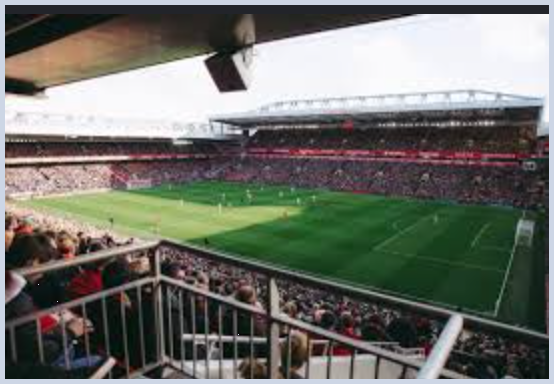
Stadium atmosphere becomes especially powerful during closing moments.
Crowds are not simply background noise. They influence emotion.
Research in sports psychology has long suggested that crowd support affects confidence, adrenaline, and decision-making.
When thousands of supporters rise to their feet during injury time, players often receive an emotional boost.
Energy spreads quickly. A tired player suddenly finds extra strength and a struggling team suddenly believes.
The noise creates urgency and excitement.
Meanwhile, opponents may feel rising anxiety. The crowd becomes an invisible participant inside the game. And in football, emotions can be contagious.
Why Fans Love Last-Minute Drama
There is another psychological reason these moments matter. Humans naturally remember emotional peaks.
Psychologists call this the “peak-end effect.” People often judge experiences based on their most intense moments and how they finish.
Football accidentally creates perfect conditions for this.
Imagine a match that remains average for most of the evening before producing a dramatic winner in stoppage time.
Most fans will remember the ending, not the previous eighty minutes. That emotional finish becomes the story.
It becomes the memory shared between supporters.
Years later, fans may forget tactical details. But they remember where they were when that late goal arrived.
Football Is Built on Emotion
The beauty of football has never been about certainty. If every favorite won comfortably, the sport would lose its magic.
Instead, football constantly creates emotional uncertainty. Late goals remind supporters that games are never truly finished.
No lead feels entirely safe, no result feels guaranteed and no script remains protected.
And perhaps that is why conversations surrounding Today’s betting tips continue generating excitement among football followers worldwide.
Because football refuses to follow logic when emotions take over.
Final Thoughts
The psychology behind last-minute football drama reveals something fascinating about the sport we love: football is not simply a physical contest.
It is emotional, psychological, and human.
When fatigue, pressure, belief, fear, crowd energy, and momentum collide during the final moments, extraordinary things happen.
And sometimes, in the final seconds, football delivers the moments nobody sees coming, but everybody remembers forever.



💬 Comments (0)
No comments yet. Be the first!
Leave a Comment