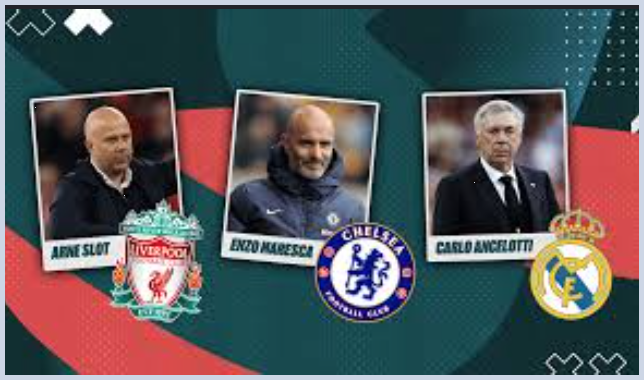
Todays Betting Tips: How Managerial Changes Affect Football Results and Betting Markets
One of the most important factors punters often overlook is how a change in manager can completely reshape a team’s performance, confidence, and even betting value overnight. Whether it’s a struggling club sacking a coach or a big-name appointment shaking up a dressing room, the impact is often immediate and sometimes unpredictable.
Understanding this dynamic is crucial if you want to stay ahead in today’s betting tips, especially when odds shift quickly after managerial announcements.
The “New Manager Bounce” Effect
One of the most famous patterns in football betting is the “new manager bounce.” This refers to the short-term improvement many teams experience after appointing a new coach.
Players often respond positively to fresh ideas, new training methods, and the desire to impress the incoming boss. Even squads that were underperforming can suddenly look sharper, more motivated, and tactically organized.
From a betting perspective, this is where things get interesting. Bookmakers adjust odds quickly, but sometimes they underestimate how strong the emotional lift can be in the first few games. Savvy bettors using todays betting tips can find value in backing underdogs or avoiding heavy favorites during this transition phase.
Tactical Overhauls Can Change Everything
Not all managerial changes lead to immediate improvement. Some managers completely overhaul a team’s tactical system, and this can take time to settle.
For example, a defensive-minded coach replacing an attacking one may reduce goal output initially. Likewise, a high-pressing manager may expose defensive weaknesses before the system clicks.
This is where understanding football betting strategy becomes important. Bettors who track tactical profiles can spot mismatches early, especially when teams are still adapting to new instructions. In many cases, the first 3–6 matches under a new manager are the most volatile.
Player Morale and Dressing Room Reactions
Another major factor often ignored in betting analysis is player morale. A managerial change can either lift a squad or divide it further.
If players were unhappy under the previous coach, performance levels often rise dramatically. However, if the sacked manager was popular, the opposite effect can occur, leading to confusion and inconsistent results.
This emotional aspect is why betting odds movement after managerial news can sometimes be misleading. Not every appointment guarantees improvement, even if the name looks impressive on paper.
How Bookmakers React to Managerial Changes
Bookmakers are quick to adjust odds when a new manager is appointed. However, the speed of reaction does not always match real-world performance changes.
Immediately after an appointment, odds may shorten for upcoming fixtures, especially if the new manager has a strong reputation. This can create overvalued favorites, which sharp bettors often avoid.
On the flip side, struggling teams might still offer value in the early days of a managerial transition, particularly in cup matches or home fixtures where emotional energy plays a big role.
Long-Term Impact vs Short-Term Gains
While the “bounce” effect is real, long-term success depends on deeper structural changes. Recruitment strategy, training philosophy, and squad balance all determine whether a managerial appointment truly works.
For bettors, this means distinguishing between short-term hype and sustainable improvement. A team might win two or three games after a change, but still struggle over a full season if underlying issues remain unresolved.
Using football betting insights and tracking performance trends beyond immediate results is key to making smarter predictions.
Wrapping Up
Managerial changes are one of the most influential factors in football betting. They can disrupt patterns, shift momentum, and create unexpected opportunities in the market.
For anyone following todays betting tips, understanding how coaching transitions affect teams is essential. While the immediate reaction is often emotional and unpredictable, the real edge comes from analysing how quickly a squad adapts and whether the new manager’s philosophy fits the players available.
In football betting, timing and interpretation are everything and managerial changes are where both matters most.


💬 Comments (0)
No comments yet. Be the first!
Leave a Comment